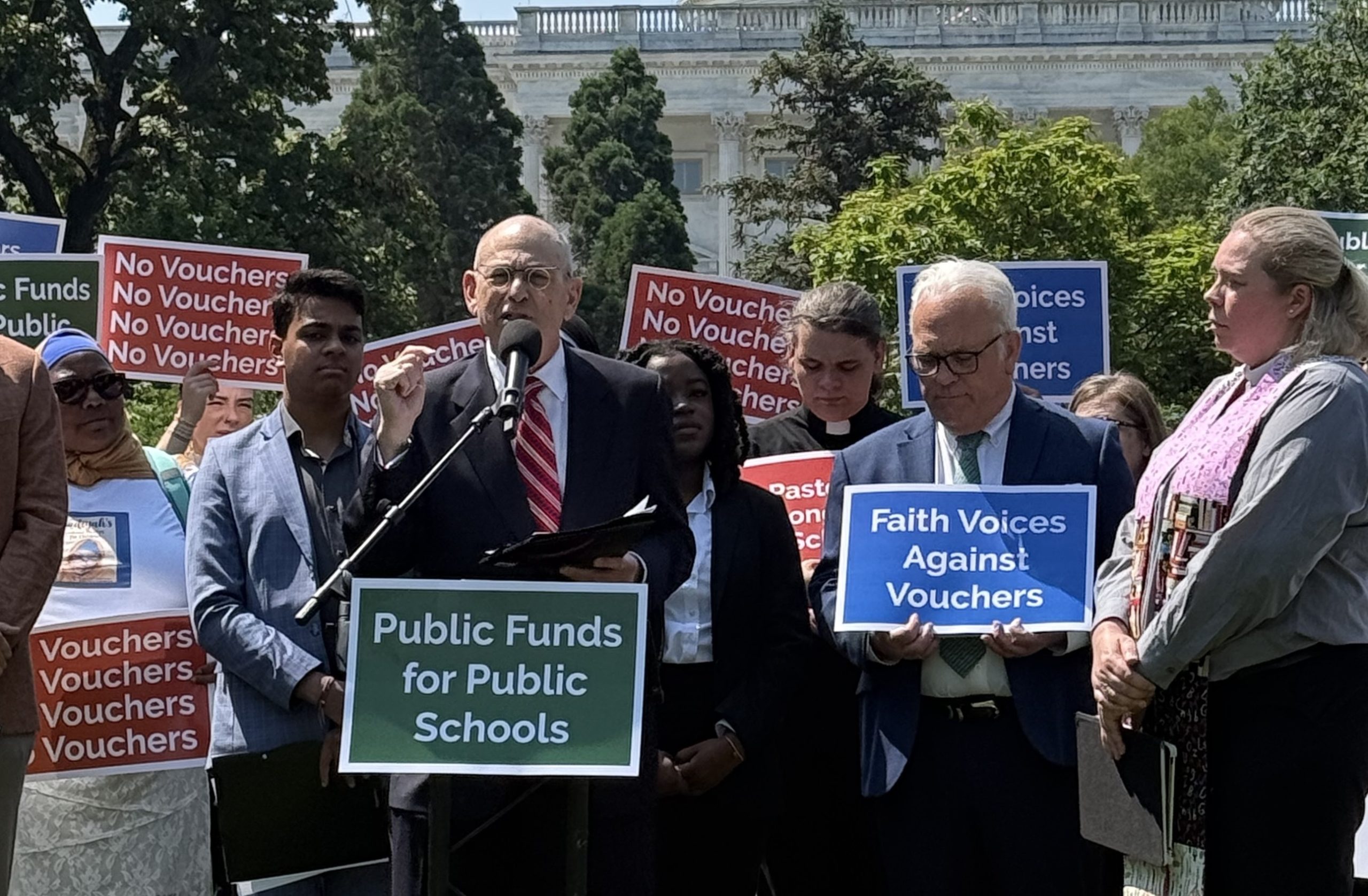
Protect learning time for every student
Say NO to Release Time policies because public schools should educate all students equally – whether they are religious or not.
Release time is a policy that lets public school students leave school to take religious education
Although the Supreme Court has ruled that release time can be legal, schools do not have to offer these programs. They can cause a lot of problems:
- No kid ever wants to feel “left out.” So students often feel pressure from classmates, teachers, or school leaders to go to religious classes.
- Release time programs like LifeWise encourage students to pressure their peers into attending with promises of candy, pizza, and other rewards.
- Students who don’t go will frequently miss real learning time like being given busy work or nothing to do instead.
- Students who are not part of the majority religion may not have a program that fits their beliefs at all.
- Dividing public school classrooms along religious lines can lead to alienation and bullying.
- There is plenty of time before or after school and on weekends for families to send their kids to religious activities they choose without impacting or pressuring others.
- Public schools are supposed to be a safe, welcoming place for ALL our kids, not a recruiting ground for LifeWise Academy or others pushing one specific religious belief on them.
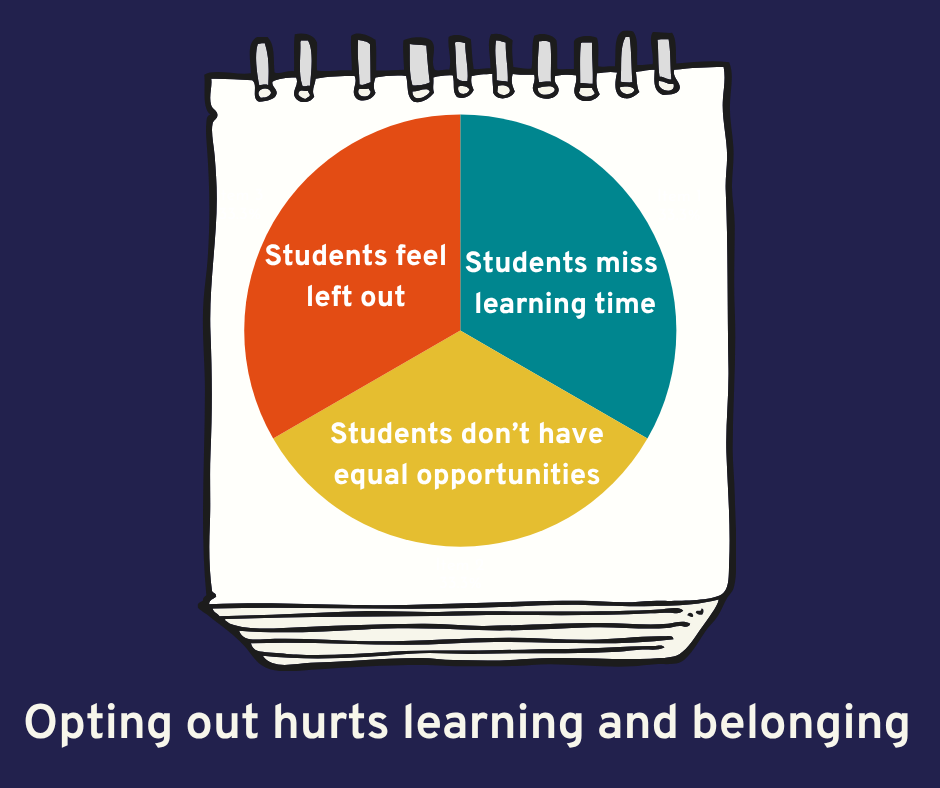
Release Time exists, but it shouldn't
But because the Supreme Court okayed it years ago,
parents and activists need to work harder to oppose release time.
The Supreme Court decided back in 1952 that public schools can release students during the school day for private religious education without violating the separation of church and state.
But release time IS a problem for church-state separation.
Release time classes exploit laws all states have requiring students to attend public school. Those laws are meant to ensure that kids get an education and become productive members of society, but release time advocates take advantage of mandatory attendance to entice kids out of normal instruction and into religious classes.
It’s not just that kids are lured by these groups into release time, it’s that they otherwise might not go. In other words, students wouldn’t sign up for private religious instruction if they weren’t already forced to be at the public schools and enticed with getting out of class and receiving treats. We know this because Sunday schools, Bible studies for kids, Vacation Bible School, and all kinds of other religious education classes for kids exist, but we still see Christian Nationalist groups pushing for release time classes.
And the reality of implementing release time programs is this: students feeling left out, pressured to attend religious classes, and left learning nothing while their peers are out of school.
Release time programs like Lifewise Academy use sneaky methods to get students to join.
What is Lifewise Academy?
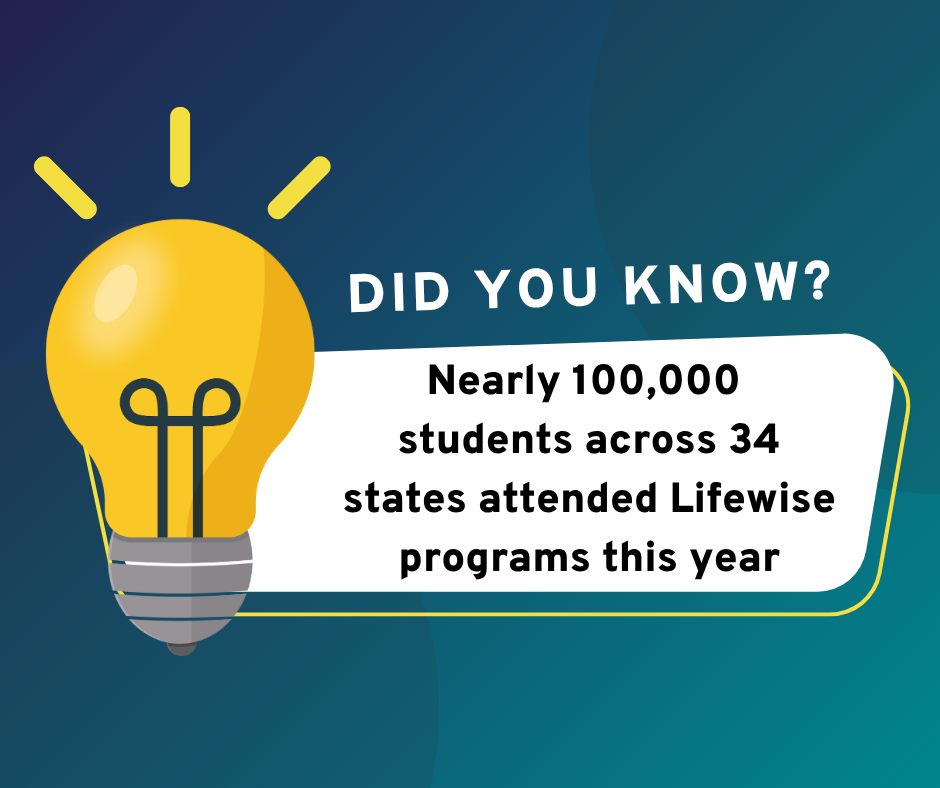
LifeWise Academy is an organization that provides Bible classes to public school students during the school day using Release Time. They use candy, toys, and pizza parties to encourage enrollment.
LifeWise Academy claims to be “non-denominational, character-based bible education” but the organization is using a curriculum based on the “The Gospel Project” – a Bible study program produced by LifeWay Christian Resources, the publishing house for the Southern Baptist Convention.
This video, courtesy of the Secular Education Association, also shows that release time programs have higher enrollment because kids are joining to get out of class.
LifeWise Academy claims not to promote the discrimination of students who don’t attend their classes, but this video, courtesy of the Secular Education Association, shows how their “character education” pits “good” kids who love church against “bad” kids who don’t – teaching exclusion, not unity.
This video also shows LifeWise instructors associating behaviors of neurodiverse students as “spiritually bad.”
Release Time is a problem
Release time is allowed but it's not required
Release time creates situations that pressure public school children into religious classes during the school day. It’s a church-state separation problem, but because the Supreme Court has okayed it, people like you are the best solution.
The Supreme Court did not require schools to allow release time. When parents and families and students and activists push back, they can keep release time classes out of the public schools and prevent their school communities from being divided along religious lines.
Religious freedom means families should be deciding when and how children engage with religion. Parents can choose from hundreds of options for religious instruction that don’t take time away from public school classes or create friction and division in public schools.
Limits on release time
The Supreme Court gave the green light to release time, but there are limits and restrictions. AU has intervened many times and stopped religious freedom violations involving release time programs in public schools. Limitations on release time include:
- Release time classes cannot occur on school property
- School resources, including transportation, cannot be used to promote or facilitate release time classes
- School staff and officials cannot push, encourage, or promote release time classes
- School staff and officials cannot participate in or review student work produced in release time classes
- Parental consent is required to attend release time
- Students cannot be punished for refusing to attend
AU is fighting back against release time violations
At AU, we’ve seen and stopped many violations, including:
Release time classes being held in trailers parked in the school parking lot.
- Why it’s a violation: trailers in a school parking lot are on school property.
Principals sending letters to every family supporting release time programs.
- Why it’s a violation: school staff and officials cannot promote release time classes or use school resources to promote them.
Schools bussing students to release time classes and reviewing student work done at release time classes for the purpose of offering elective credit.
- Why it’s a violation: Schools cannot use school resources to promote release time programs or give credit for work done in release time classes.
Teachers prohibiting nonparticipating students from reading, doing homework, or engaging in any other activity during release time program time.
- Why it’s a violation: students cannot be punished or penalized for refusing to attend.
Top 10 FAQs about Release Time
What is release time?
Release time policies—also known as released time or release time religious instruction (RTRI) – allow public school students to leave school property during the school day to receive religious instruction. Students must leave the public school campus, and the instruction must be provided by a private group.
If removing the Bible from public education harmed students, why isn’t release time a good solution?
The U.S. Constitution imposes strict limits on teaching about religion in public schools. Public schools can teach factual information about religion, including as part of an objective lesson in literature, history, and civics classes. But they are constitutionally prohibited from providing devotional instruction or promoting religion. Even if a release time policy does technically meet constitutional requirements, it’s a bad idea because – kids often feel pressured to participate, it disrupts learning, and it privileges the majority faith.
Are release time programs unconstitutional?
Not necessarily, but the U.S. Constitution imposes strict limits on teaching about religion in public schools. For example, public schools can teach factual information about religion, including as part of an objective lesson in a literature, art, history, or civics class. But they are constitutionally prohibited from providing devotional instruction or promoting religion. Release time policies must meet specific constitutional safeguards: classes cannot take place on school grounds, no public funds can be spent in support of the program, schools can only accommodate student schedules, and school officials cannot promote the program or coerce students to attend.
If it’s legal, what’s the big deal?
- Even if they do meet constitutional requirements, release time programs are bad policies that can lead to real-world harms: students may feel pressured to participate by peers and school personnel; students who stay behind often end up in study halls or doing busywork; and students outside the majority religion rarely have the same options.
- There are examples of teachers and school administrators pressuring students to attend release-time programs to ease their teaching burden, prohibiting the students who aren’t participating from doing schoolwork or any other activity while the rest of the class attended a release-time course, or having students who don’t attend end up in study hall.
- Students, particularly those of minority faiths or who are nonreligious, may face questions, peer pressure, or bullying from fellow students.
- Students who belong to a minority religion often don’t have access to release-time programs.
- Release-time programs also often incorporate treats and social time into the program – leaving students who don’t participate feeling like they’re missing out on an extracurricular activity.
- Parents have reported instances of their children questioning their family’s faith or voicing regrets that they don’t belong to the majority faith because the kids feel like they’re missing out on social activities that may occur during release time.
Should states require every district to adopt release time?
No. Forcing every district to adopt release time will only magnify the problems that already exist. Mandates also undercut local control and force schools to spend scarce time restructuring schedules, tracking attendance, and managing conflicts – even where communities don’t want or can’t support a release-time program.
Why shouldn’t students receive academic credit for release time?
Offering academic credit for release-time programs creates additional pressure for students to participate and essentially hands control of instruction for credit to a religious group.
Doesn’t release time just “accommodate” families who want religious education?
Families are free to pursue religious education outside the public school day. Embedding it into the school schedule – even off campus – gives it a special advantage and reshapes the day for everyone else, including students who do not or cannot attend and teachers who must work around a disruption in the school day.
Release time only affects students whose families choose to participate, right?
No. Students who don’t participate in release time often lose instructional time or are sent to study hall. They also may face questions, peer pressure, or other kinds of social exclusion for not going – especially if teachers or coaches praise or expect participation.
How does release time affect students from minority faiths or nonreligious students?
These students are the least likely to have a release-time program that reflects their beliefs, and the most likely to be singled out or pressured to join another religion’s release-time class “to fit in.”
What should I do if my school district is considering a release-time proposal?
- Use the resources on this page to educate your school board and urge them to vote no where the law allows. If your state law forces school boards to consider release-time programs, petition your school board to insist on the following safeguards:
- Release-time classes do not take place on school grounds.
- No public funds are expended in support of release-time programs.
- Schools do no more than accommodate student schedules.
- School officials do not promote the program or coerce students to attend.
- Coercion does not just mean school employees forcing or telling students to attend; it can also be giving students who don’t attend extra assignments or study hall that could be viewed as punishment for non-attendance.
- No credit for release time.
- Public schools must not provide any logistical support beyond accommodating schedules, including providing transportation to the release-time programs.
Learn more about how AU is protecting public schools